

The Holidays Are Over — and You Feel Worse. Here’s Why.

You’re back at work. The holidays are done. The calendar is filling up again.
And instead of feeling rested or reset, you feel heavier.
Not just tired — unsettled.
If you’re wondering why the end of the holidays didn’t bring relief — or why going back to work feels strangely brutal — it’s not because you did something wrong.
That reaction is worth paying attention to, especially this time of year.
What the Holidays Were Supposed to Do — and Why That Promise Falls Apart
The holidays are sold as a reset.
A pause from pressure. A break from the grind. Time that’s supposed to give your body and mind a chance to finally soften.
That’s the promise.
What tends to happen instead is this.
The holidays only work as a reset if your system already knows how to downshift when structure disappears.
For people whose sense of stability comes from roles, routines, and being needed, removing structure doesn’t create relief. It creates exposure.
Because the thing that was quietly holding everything together all year wasn’t rest — it was responsibility.
It looks for something to manage, something to organize, something to do — not because you’re incapable of resting, but because usefulness has become the way you stay steady.
Responsibility doesn’t actually disappear during the holidays. It just changes shape.
You’re still coordinating. Still showing up. Still managing expectations, moods, schedules, and logistics.
So the system never really stands down.
By the time the holidays end, nothing has reset.
You don’t come back restored — you come back exposed.
Why Time Off, Family Time, and Going Back to Work All Feel So Hard
Time off doesn’t feel restful.
Without structure, stillness isn’t soothing — it’s unsettling. Your mind looks for the next thing to manage. So even during rest, you’re still bracing.
Family time becomes draining in a quieter way.
Old roles come back online. Be agreeable. Be helpful. Don’t rock the boat. You stay alert, monitoring tone and reactions, even if nothing dramatic happens. That constant vigilance takes a toll.
And then there’s the return to work.
Going back can feel relieving at first. The familiar structure returns. Emails tell you what matters. Meetings tell you where to be. Tasks give you direction again.
But it can also feel brutal — because you’re returning without having actually recovered.

The exhaustion didn’t resolve over the holidays. It was covered up by distraction, obligation, or momentum. So when work ramps back up, it can feel like too much, too fast.
You barely slowed down — and now you’re expected to be sharp, focused, productive again.
That’s why the return feels so heavy.
They’re different expressions of the same pattern.
When That Pattern Stops Working: What Burnout Really Is
Burnout isn’t just about having too much on your plate.
It’s what happens when the same pattern you’ve relied on for years — staying on, staying useful, staying responsible — reaches its limit.
For a long time, this way of functioning probably helped you hold things together. It kept you moving when life demanded a lot.
But over time, the cost adds up.
You don’t just feel tired. You feel brittle. Shorter. Less patient. More reactive — or more numb.
And when you finally slow down, things don’t settle. They spike.
If burnout were just about being busy, a break would fix it.
But when burnout is tied to a pattern that only knows how to function through pressure and responsibility, removing those things brings discomfort before it brings relief.
Stillness feels wrong. You feel pulled back into motion.
For many people, this pattern didn’t form randomly. It often developed early — when being capable, reliable, or low‑maintenance was rewarded.
That’s the moment when the old way of coping becomes unsustainable — but nothing new has replaced it yet.
The Real Problem — and What Actually Changes It
The problem isn’t that you didn’t rest well enough.
The real problem is that the pattern you’ve been relying on has reached its limit.
In more psychological terms, this is what happens when a coping strategy that once kept you regulated stops working under the weight of your life. You might think of this as a pattern of survival — a way of functioning that helped you get through a lot, even if it’s costing you now.
Staying responsible, capable, and productive became the way you stayed oriented — the way you learned to manage stress, uncertainty, and emotional load. This isn’t a preference or personality trait; it’s a learned way of surviving pressure.
For a long time, that worked. It helped you function. It kept things moving when life demanded a lot from you.
But coping strategies aren’t meant to run everything forever.
When pressure becomes the only way you know how to stay steady, your system never truly recovers. Rest doesn’t land. Stillness feels uncomfortable. You stay braced even when nothing urgent is happening.
That’s why the cycle keeps repeating: grind, break, rest, return — without anything actually changing.
That’s usually the point where therapy for burnout starts to make sense.
Not as another strategy or productivity tool.
But as a place to understand how this coping pattern operates — moment to moment — and to slowly build capacity for a different response.
By paying attention, in real time, to how you react to pressure, responsibility, and slowing down, you can begin to stay present without immediately bracing or performing.
That’s how the grip slowly eases.
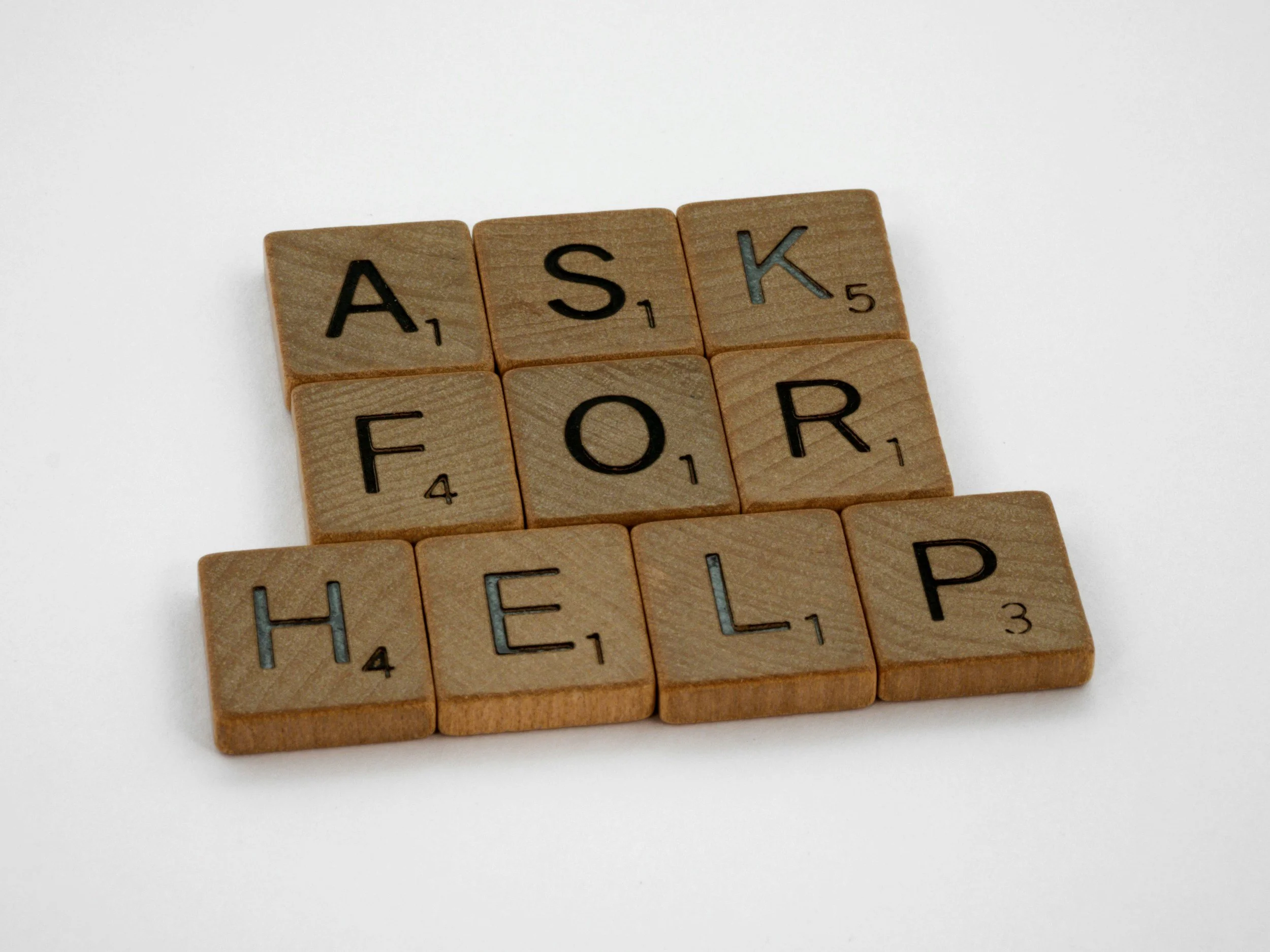
If You Recognize Yourself in This. Schedule a Free Consultation!
If the holidays didn’t reset you and January feels heavy, that doesn’t mean something is wrong with you. January doesn’t just bring work back — it brings expectations back.
You responded the way you learned to respond.
If you’re noticing that the old way of holding things together isn’t working anymore, that matters.
I’m Alex Ly, a licensed marriage and family therapist based in the Bay Area, and this is the kind of work I do with clients.
You don’t need to come into therapy with a clear goal or polished explanation. Most people I work with don’t. They come in because something feels unsustainable, even if they can’t fully articulate why yet.
If you’re curious whether this kind of therapy would be a fit, you’re welcome to schedule a consultation. There’s no rush to decide — just a chance to talk and see if this feels like a fit.

About the Author - Alex Ly, Therapist for Burnout
I’m Alex Ly, a licensed marriage and family therapist offering therapy to adults throughout California, with a focus on clients in the Bay Area.
I work primarily with high‑functioning adults — often professionals — who look capable on the outside but feel burned out, anxious, or stuck in patterns that no longer work.
My work focuses on helping people understand why rest, time off, or pushing harder hasn’t led to real change — and what it looks like to work with those patterns more directly in therapy.
If you’re looking for an anxiety therapist or burnout therapy in the Bay Area, you can learn more about my approach or schedule a free consultation to see if working together might make sense.
